The Jupiter Incident Jupiter Incident Guides
From the first TikTok to the NASA fact check, in one hub.
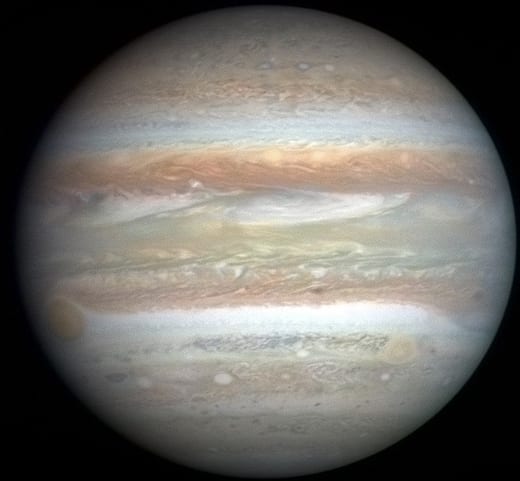
This hub is the reading order for people who landed on a black-screen clip and need the whole file. The Jupiter Incident explainer covers the story as the internet tells it. The fact check answers the search that never goes away: it is fiction. How to identify a Jupiter Incident tape versus a real NASA clip is next, then the full lore walkthrough for the 2167, SC-84, and Ceres side files.
What belongs in Guides
Guides here are not walkthroughs for a video game. They answer the questions people type after watching a 79-second recovered-audio edit: what happened, who died, is NASA hiding a crew, and why streamers keep saying they do not talk about 2011. Every page in this section is sourced to Know Your Meme, NASA’s public Juno record, and named YouTube explainers. We do not invent mission numbers, cockpit timestamps, or casualty lists that the public files do not already argue about.
Start with the explainer if you have never seen the meme. Jump to the fact check if a friend forwarded a clip and you only want the short answer. Use the identify page when you are looking at a “NASA leak” thumbnail and need a checklist. Use the full lore page when you have already watched Ivan Kuria’s long briefing and want the sibling incidents in one place.
How this archive is organized
The timeline hub holds dates: the November 2026 viral week and the real 5 August 2011 Juno launch. The crew hub holds people: CaseOh, IShowSpeed, KreekCraft, Joe Bartolozzi, and O. Algo. The evidence hub holds tapes: the black box, the transcript, and the copy chain from TikTok to YouTube. The lore hub holds in-universe objects: the Keys, Odyssey 9, and the variant files. Guides sit in the middle and point at all of them with plain-language answers.
If a page in another hub already answers a question, we link it instead of copying a second 400-word ending. That is why the explainer sends you to who survived instead of reprinting every casualty table, and why the fact check sends you to the Juno file instead of rewriting the Atlas V press kit.
Reading order for new visitors
- What is the Jupiter Incident? — the meme, the cast, the Keys.
- Is the Jupiter Incident real? — no, and here is the NASA record.
- How to identify a Jupiter Incident tape — black screen, streamer audio, 2011 caption.
- Full lore — 2167, SC-84, Triple T, Ceres, and the mimic file.
Then branch. If you care about names, open CaseOh and O. Algo. If you care about the 79 seconds, open the black-box file. If you care about what actually launched in 2011, open Juno.
What we will not do in a guide
We will not present a fan transcript as a cockpit voice recorder. We will not list a NASA program office that “buried Odyssey 9.” We will not treat CaseOh’s in-character stream bits as a confession. Streamers playing along is part of how the meme spread; it is not evidence of a flight. When a YouTube title says “recovered audio,” we treat that as a format, not a provenance claim.
Primary public sources for this hub: Know Your Meme’s Jupiter Incident 2011 entry (added 23 November 2026, updated 25 November 2026), NASA’s Juno launch coverage from 5 August 2011, and the named videos embedded on the child pages. For a link list, see sources.
Frequently Asked Questions
Straight answers drawn from the public record of this meme.
Which Jupiter Incident guide should I read first?
If you are new, start with the explainer. If you only want to know whether it happened, open the fact check.
Do these guides claim the mission is real?
No. Every guide on this hub states that the 2011 crewed flight is fiction. NASA’s real 2011 Jupiter launch is the uncrewed Juno probe.
Why are there YouTube videos on some guides?
Each guide page embeds at most one real explainer or reaction tape in the middle of the article. We do not invent video IDs.